
With the increasing demand for water in residential, agricultural, and industrial zones, choosing the right borewell depth has become one of the most important factors for a successful and long-lasting water source. In rapidly developing regions like Ahmedabad, Gandhinagar, Sanand, and Naroda, groundwater levels are constantly changing due to urban expansion, over-extraction, and seasonal variations.
A borewell drilled too shallow may dry up during the summer months, while one drilled too deep can lead to unnecessary expenses and reduced pumping efficiency. Hence, understanding the science behind borewell depth — including soil structure, aquifer layers, and hydro-geological data — is crucial before beginning the drilling process.
At Quality Borewell, we conduct pre-drilling site surveys, depth estimation studies, and geological assessments to ensure every borewell is drilled to the most productive and sustainable depth. Our team uses modern equipment and decades of field experience to identify stable water-bearing strata, helping clients achieve consistent water yield with long-term reliability. This careful planning not only enhances water availability but also extends the life and performance of the borewell system.
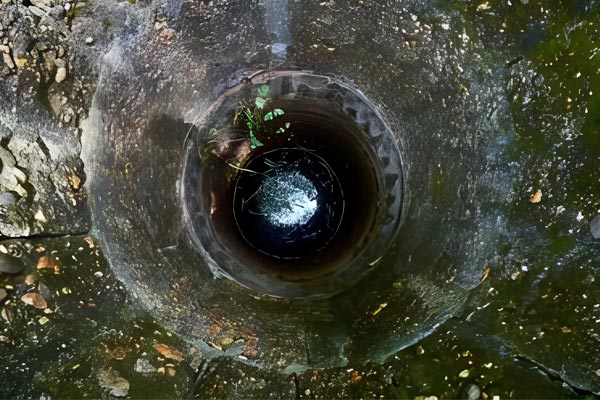
🏗️ Factors That Affect Borewell Depth
- Groundwater Table
Every location has a different groundwater level depending on rainfall, terrain, and nearby bore activity. Urban areas often require drilling between 150 to 800 feet, while rural or rocky regions might need up to 1200 feet. - Soil & Rock Type
Clay or alluvial soil zones hold water closer to the surface, whereas hard rock regions need deeper drilling to reach fractures or aquifers.
- Purpose of the Borewell
Residential borewells usually need 150–400 ft depth, while agriculture or industrial use may require 600–1000 ft to meet higher water demand.
- Nearby Bore Data
Studying surrounding borewells gives real-time insight into groundwater availability and helps estimate the ideal starting and stopping depth. - Seasonal Variations
Groundwater drops during summer and rises post-monsoon. A depth margin of at least 50–100 ft below the dry season level ensures consistent year-round supp
💧 Why Borewell Depth Matters
The depth of a borewell determines not just how much water you get — but also its quality, pressure, and sustainability.
A well-planned depth ensures:
-
Consistent water yield throughout the year
-
Reduced risk of contamination from upper soil layers
-
Lower maintenance and pump replacement frequency
-
Optimum energy use for submersible motors
In short, the right depth helps you save water, money, and energy over time.
Frequently Asked Questions (FAQs)❓
What is the ideal borewell depth for homes in Ahmedabad?
Most domestic borewells range between 150 to 400 feet, depending on local groundwater level and soil composition
How do I find the correct depth before drilling?
A hydrogeological survey and nearby borewell data help estimate depth accurately before you start drilling.
Is deeper always better for more water?
Not necessarily. Beyond a certain point, water yield may not increase and pumping costs rise — optimal depth is more important than maximum depth.
How much does borewell depth affect cost?
Drilling cost is calculated per foot, so deeper borewells naturally cost more. The key is balancing yield with cost efficiency.
Can borewell depth vary within the same locality?
Yes. Even in the same neighborhood, groundwater levels can differ by 20–50 feet depending on rock layers and past extraction.
How can I maintain borewell performance after drilling?
Schedule annual flushing and yield testing, and if possible, build a recharge pit to replenish groundwater and stabilize performance long term.