
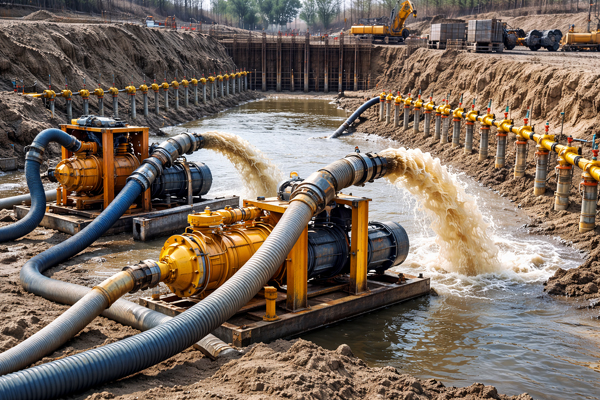
When construction projects or basements get flooded, you need a plan to get the water out—and fast. This is where Dewatering Services come into play. Whether you are a builder working on a new skyscraper in Ahmedabad or a homeowner dealing with a leaky foundation, understanding how to manage groundwater is a must.
In this guide, we will break down everything you need to know about removing excess water safely and efficiently.
What are Dewatering Services?
In simple terms, Dewatering Services involve removing groundwater or surface water from a construction site or a low-lying area. Imagine you are digging a deep hole for a building’s foundation. If you hit the “water table” (the level where the ground is naturally soaked with water), your hole will quickly turn into a muddy pond.
Dewatering is the process of pumping that water away so that workers can stay dry and the ground stays solid enough to build on.
Why is Dewatering So Important?
You might think, “Why not just build in the mud?” Well, there are several big reasons why professional Dewatering Services are required for almost every big project:
Common Methods Used by Dewatering Services
There isn’t just one way to move water. Depending on how much water there is and how deep the hole is, experts use different “tools of the trade.”
| Method Name | How it Works | Best Used For |
| Wellpoint System | A series of small-diameter pipes driven into the ground. | Shallow excavations (up to 5-6 meters deep). |
| Deep Well System | Large, deep borewells with powerful submersible pumps. | Very deep projects like basement parking or tunnels. |
| Sump Pumping | Water is allowed to collect in a pit (sump) and then pumped out. | Small amounts of surface water or rain. |
| Eductor Wells | Uses high-pressure water to create a vacuum that pulls groundwater up. | Soil that doesn’t let water flow easily (like silt or clay). |
How to Choose the Right Dewatering Partner
Not every company with a pump is an expert. When looking for Dewatering Services, you should look for these three qualities:
Dewatering for Homeowners
It’s not just big construction sites that need help. Sometimes, residential areas in Ahmedabad—especially during the monsoon—need help too.
- Basement Flooding: if your basement stays damp, you might need a “Sump Pump” installation.
- New Home Foundation: If you are building a private bungalow in a low-lying area, hiring a small dewatering team for a few days can prevent your walls from cracking later on.
The Costs of Dewatering Services in 2026
The price of dewatering depends on how long the pumps need to run. Usually, you pay for:
- Mobilization: The cost to bring the machines to your site.
- Daily Rental: A fee for the pipes and pumps.
- Operator Fees: The cost for the technician who monitors the system 24/7.
In Ahmedabad, prices can vary based on the depth of the water table. It is always best to get a “per-day” quote so you can budget properly for your project.
Challenges in Dewatering
Dewatering sounds easy, but it can be tricky. One big challenge is “Settlement.” If you pull too much water out of the ground too fast, the soil can shrink. This might cause the neighbor’s house or the sidewalk to sink! This is why you need professionals who monitor the water levels carefully to make sure the surrounding area stays stable.
Conclusion: Start Your Project on Dry Ground
Whether you are digging a simple trench or a massive underground mall, Dewatering Services are the backbone of a successful build. By removing the water, you create a solid, safe, and professional environment where great things can be built.
Don’t let a little groundwater wash away your hard work. Hire an expert, pick the right system, and keep your site dry!
Groundwater management is a big part of any construction job. To help your readers understand the “why” and “how” of this technical field.